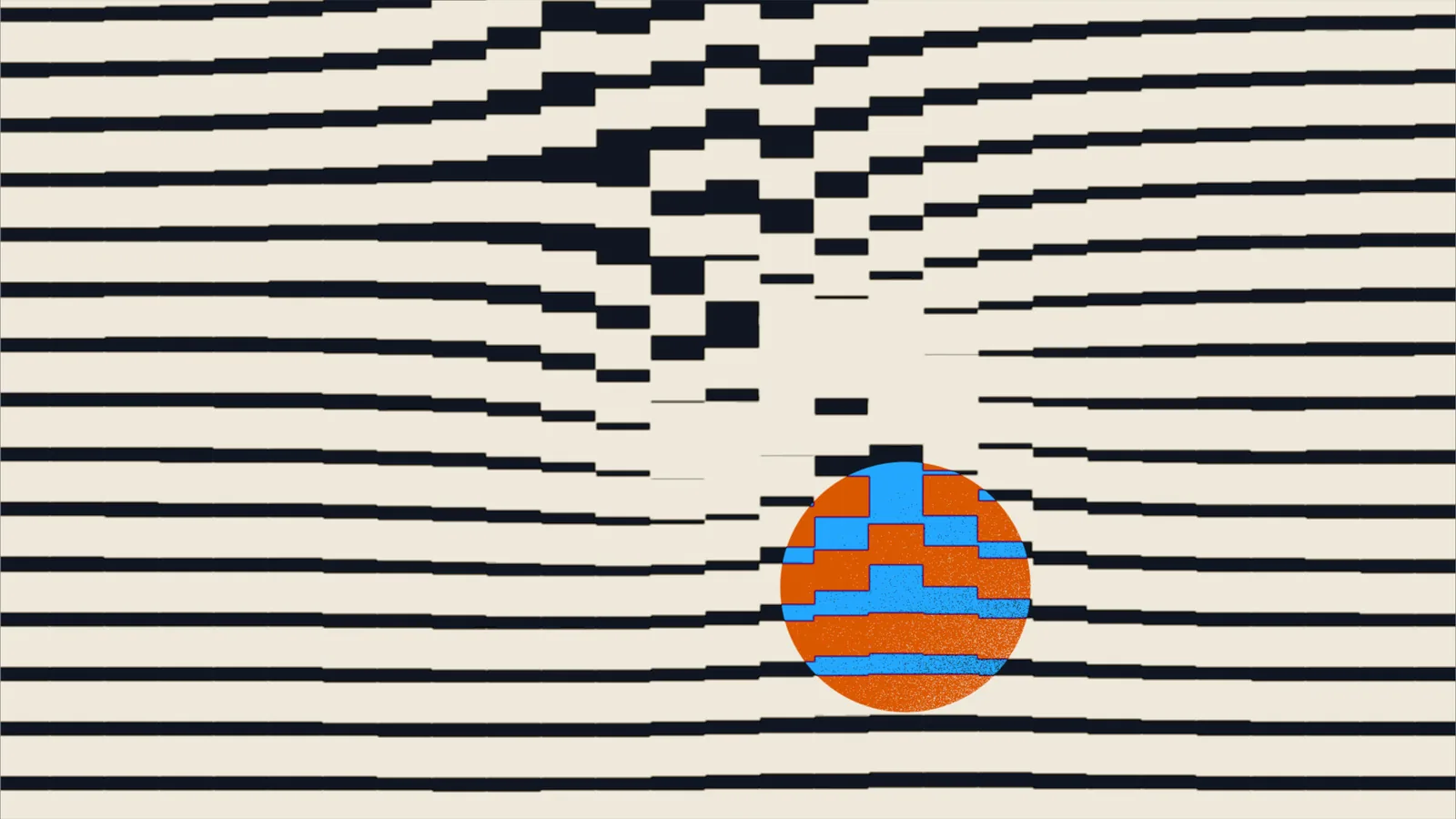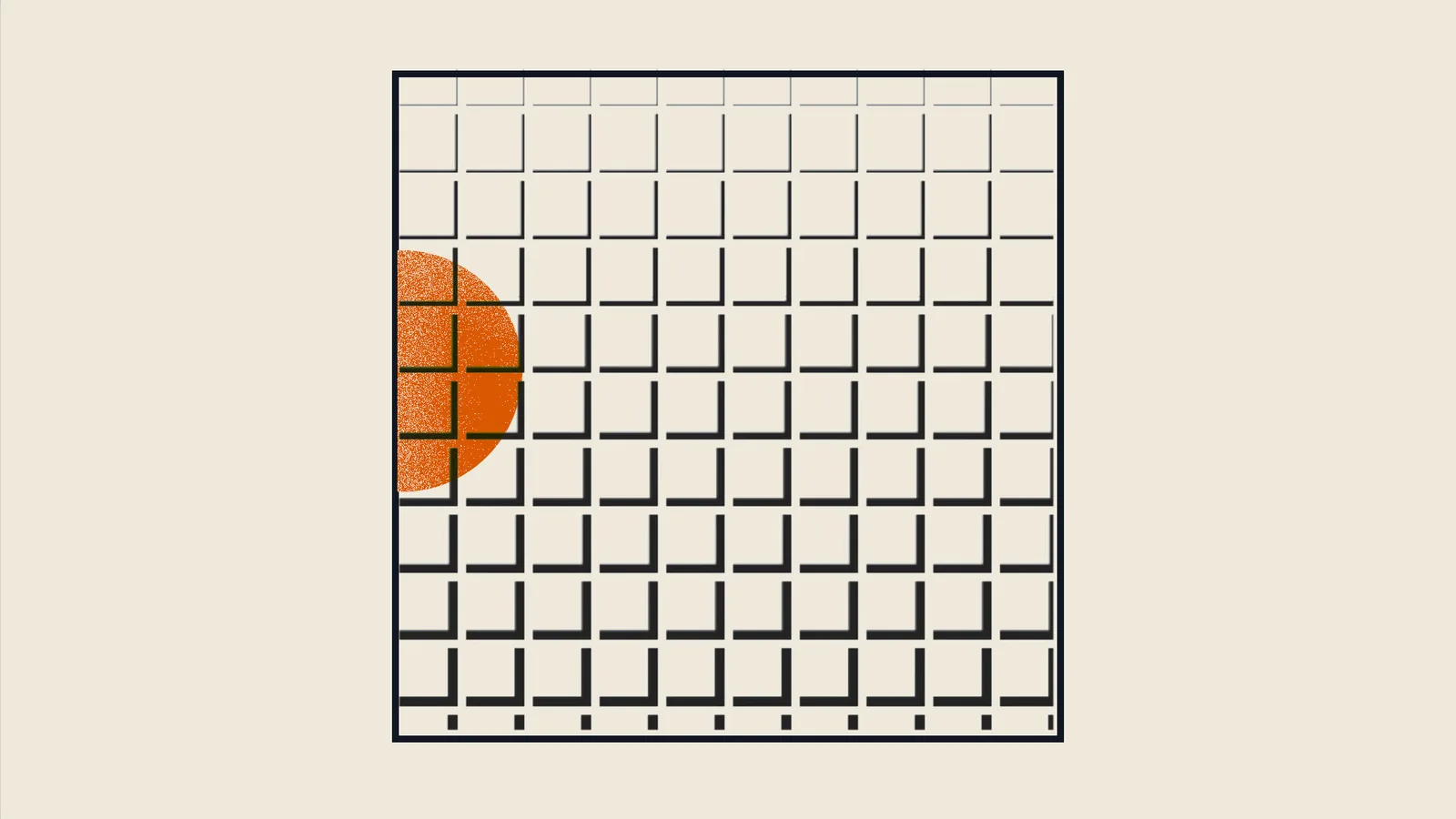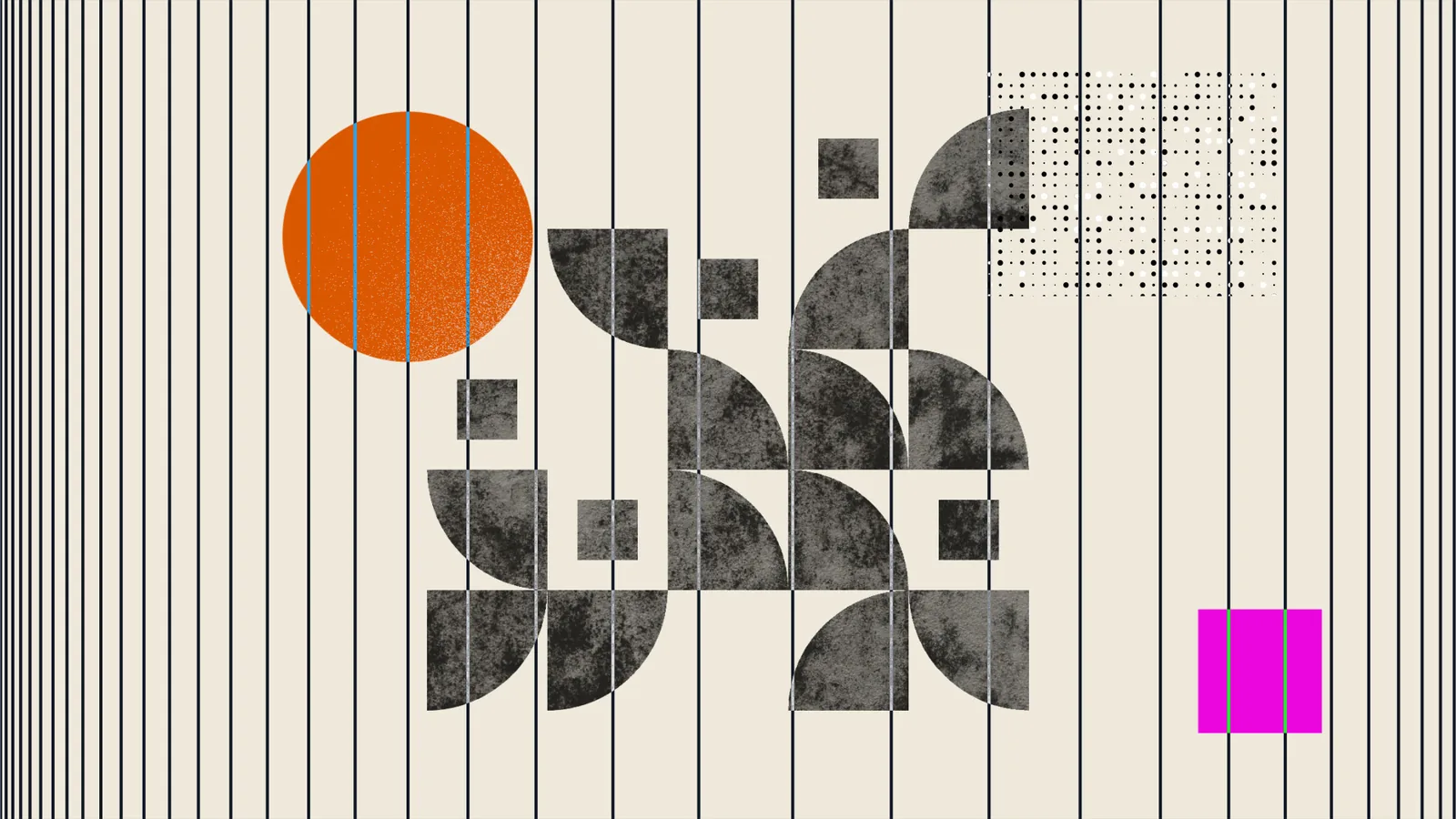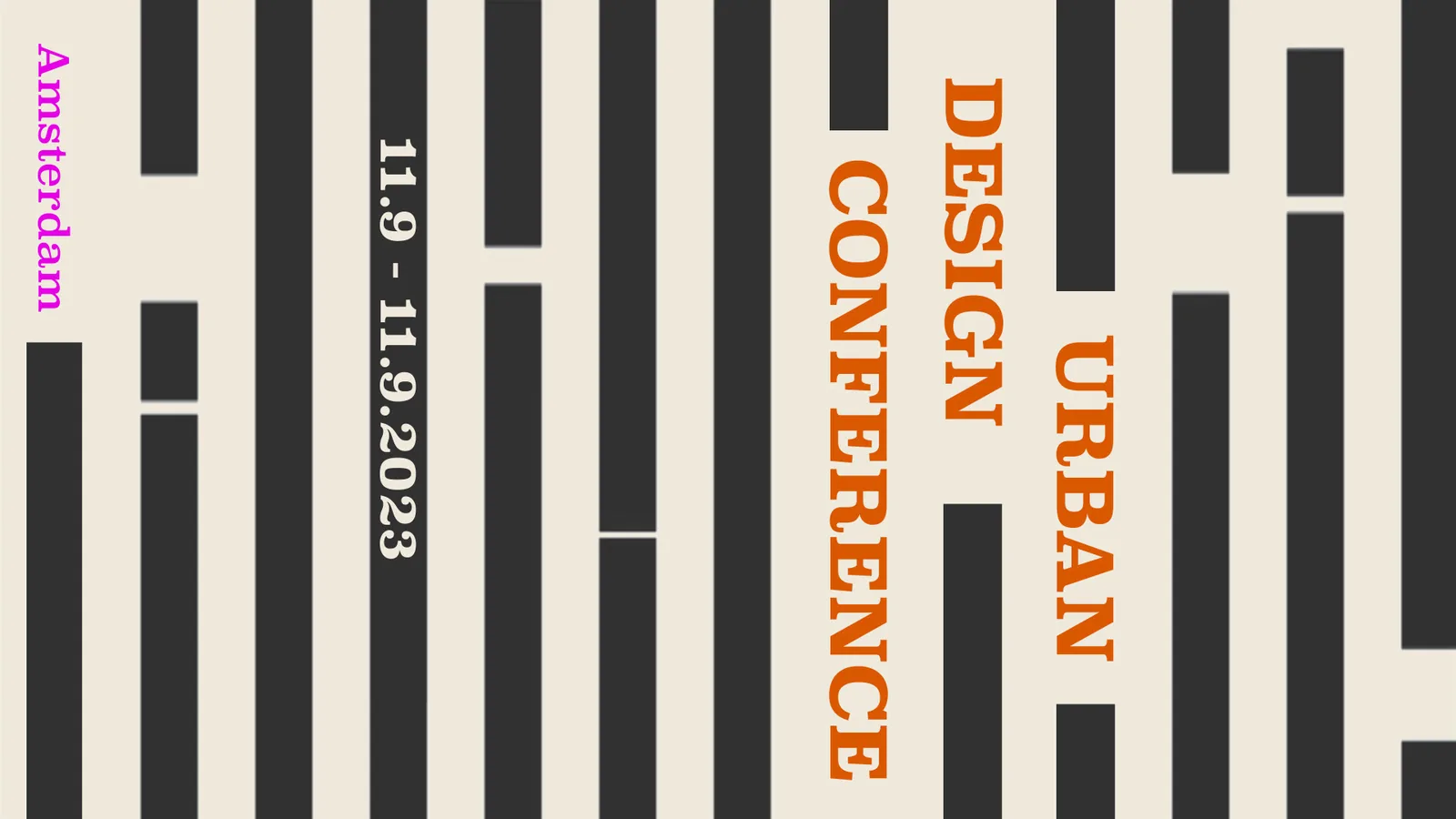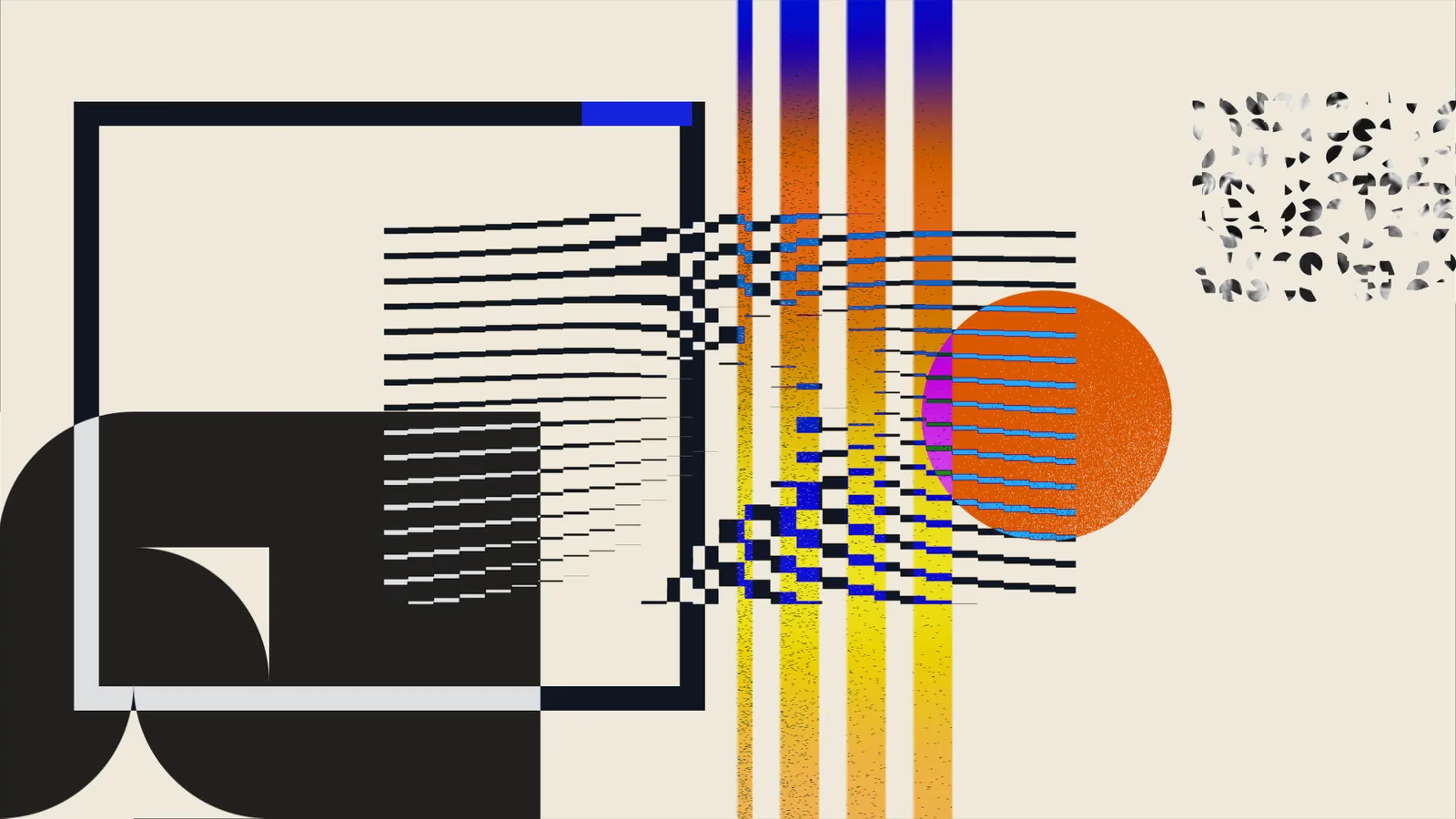



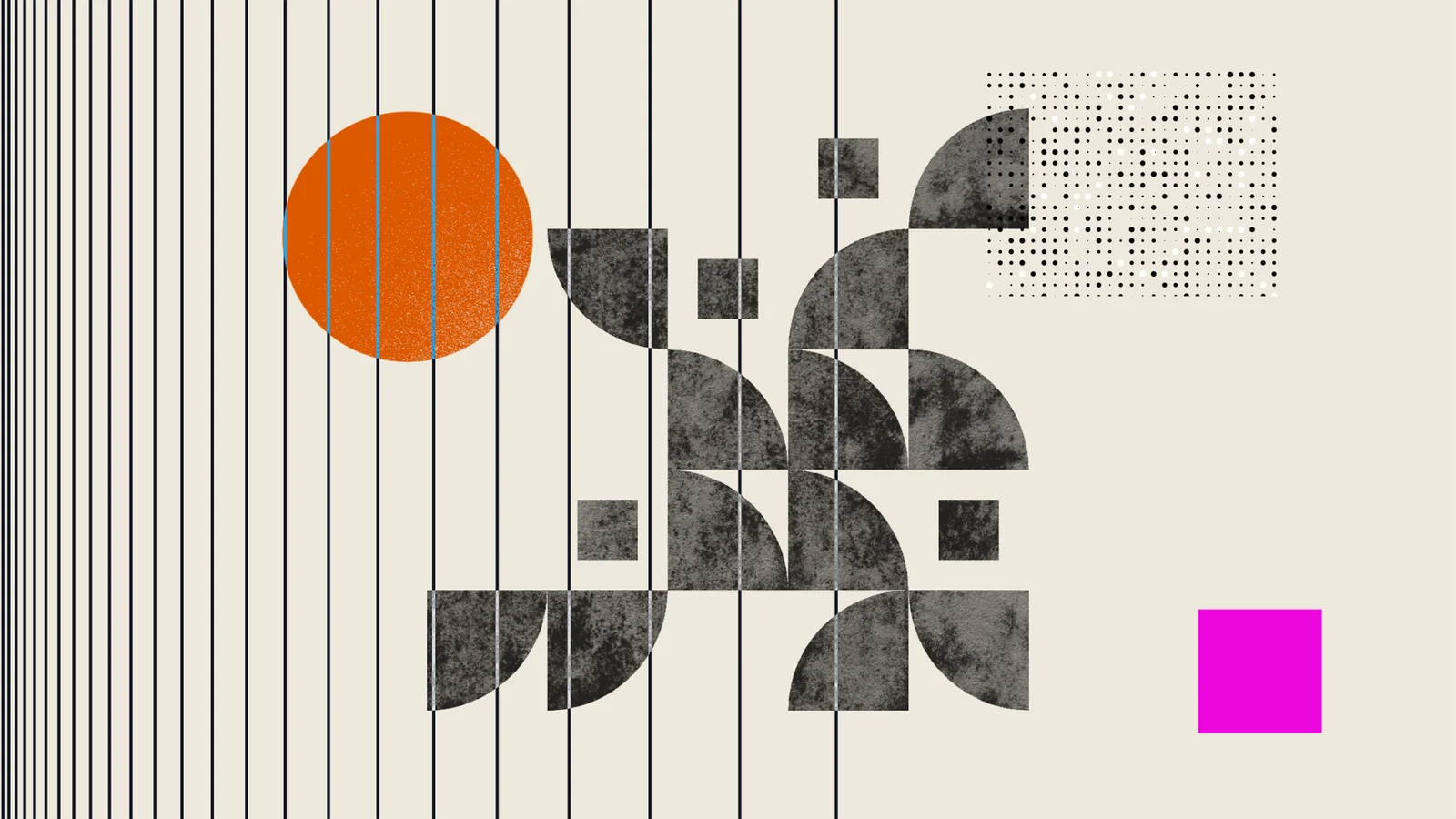
An animated poster for an urban design conference, using creative coding in the ideation phase of the motion graphic process.
In this project, I examined the use of creative coding in the ideation phase of the motion graphic process, as a means of shaping the overall concept and generating new forms and movements. The goal was to use code as a tool for inspiration and experimentation, rather than solely as a means of execution.
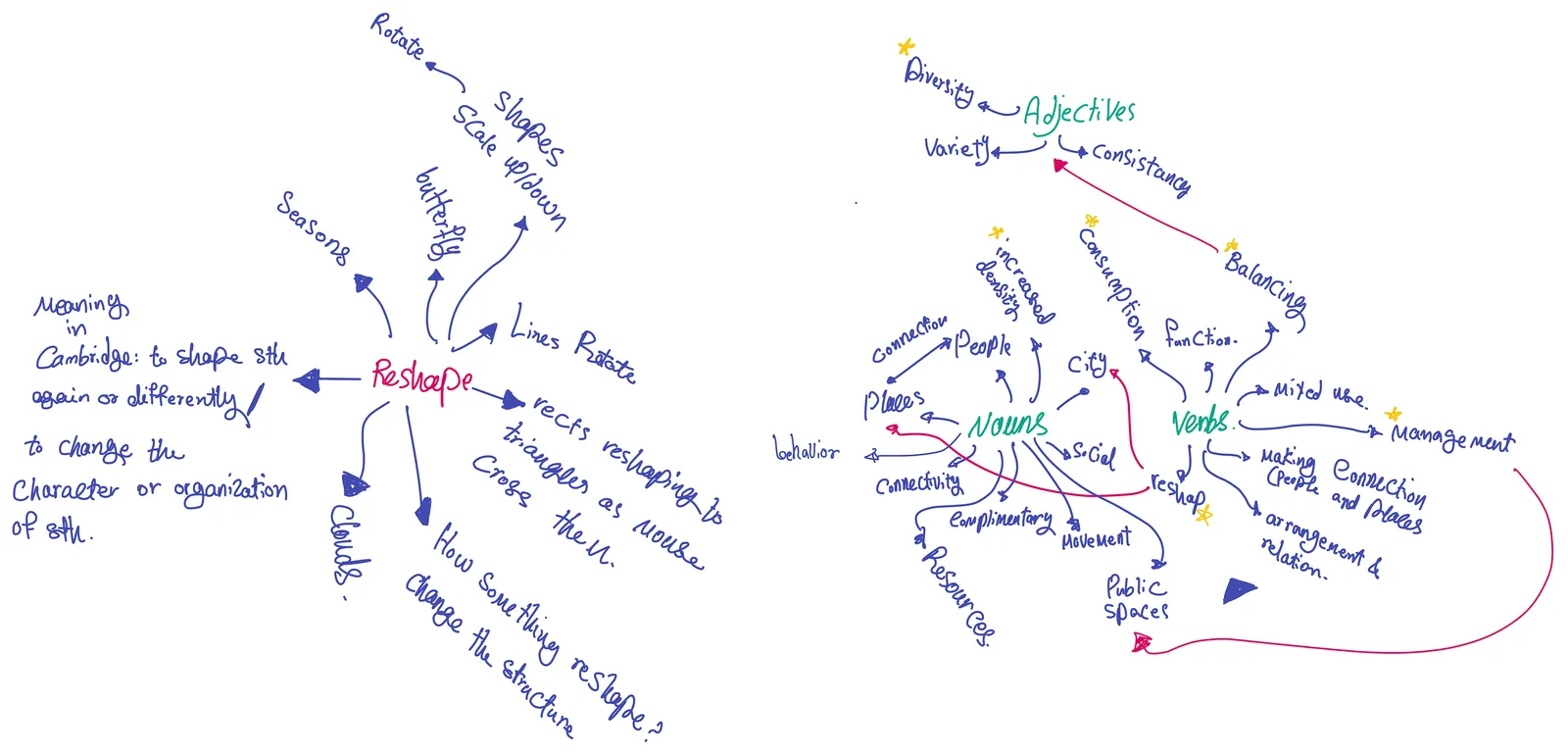
I started the project for the Urban Design Conference with research, to gain a comprehensive understanding of the field of urban design and identify potential connections to creative coding. The research combined primary and secondary methods. The primary research was the collection and examination of maps and texts related to urban design; the secondary research analysed existing artwork, city maps and projects by other creative coders on the theme of urban design. From these texts and visuals, I extracted keywords to structure and organise my findings. Navigating through these keywords, I observed that the concept of urban design is composed of both verbs and nouns, the former representing movement and the latter representing static elements. This analogy led me to align nouns with variables in code and verbs with functions, for example “City” as a variable and “Balancing” as a function.
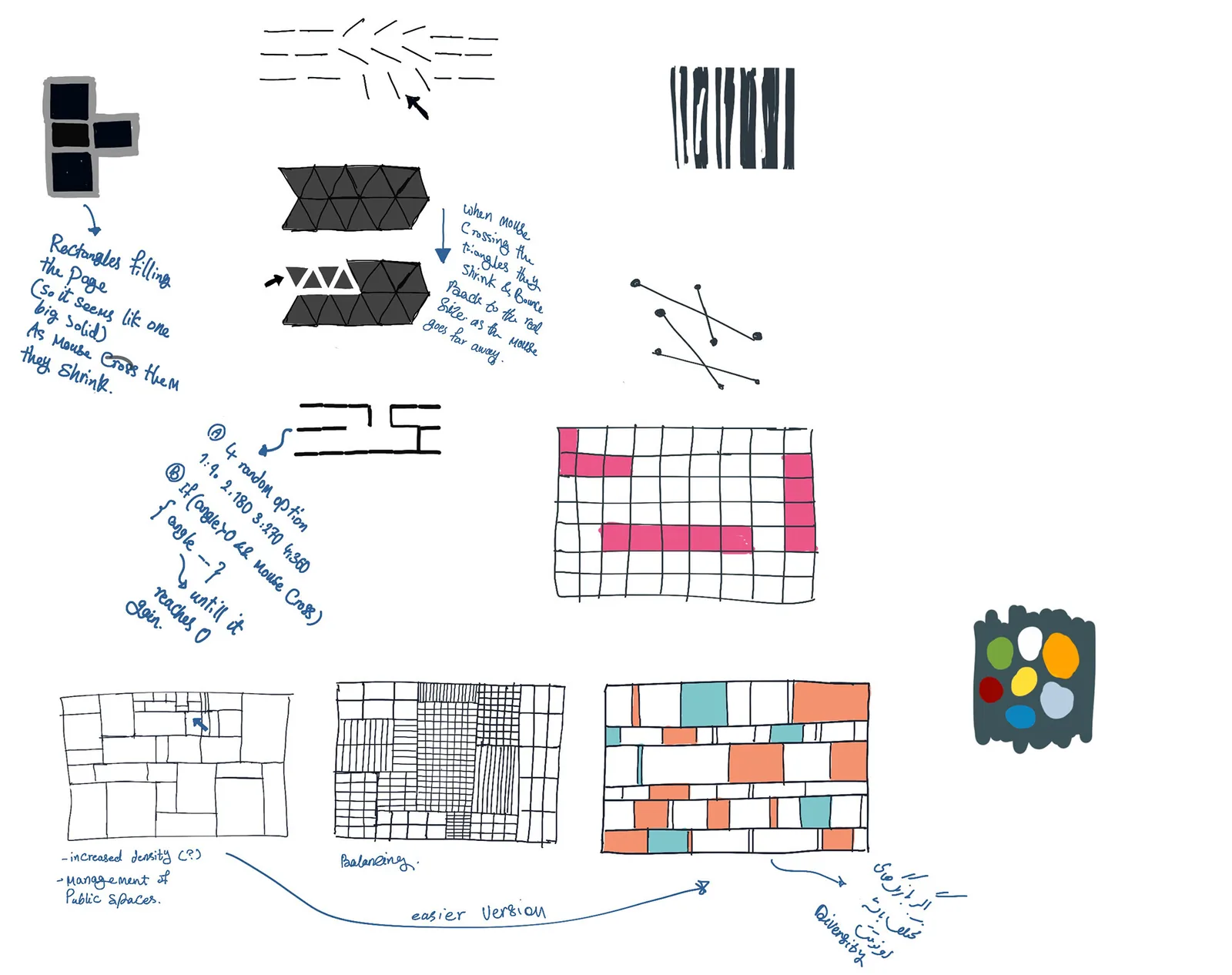
To conceptualise my ideas, I sketched on paper using the keywords extracted from my research, as a raw start for experimenting with forms and movements in Processing. This let me visually explore the associations between the nouns and verbs in the project context. I then translated these sketches into Processing, where I continued to iterate and experiment with the forms and movements they generated.
In the next stage, I sought to connect the various sketches generated through my experiments in Processing. I focused on the narrative aspect of motion graphics, recognising the importance of cohesive transitions between visual elements when motion graphics have to communicate a specific message. This was challenging: I had to relate different Processing sketches into a cohesive narrative while keeping every frame rich in visuals.
Instead of creating transitions between individual sketches, I chose a compositional approach and assembled different visual elements into cohesive compositions. I also used code as a creative aid: I wrote programs that generate a variety of compositions based on rules and principles, which I first developed by arranging static elements on paper and later translated into Processing. Adding a level of randomness to the generation gave me a diverse range of potential compositions.
The program generated a new composition every ten frames, resulting in a large number of options. The challenge was to select a cohesive set of these compositions that, arranged in sequence, could form a narrative.

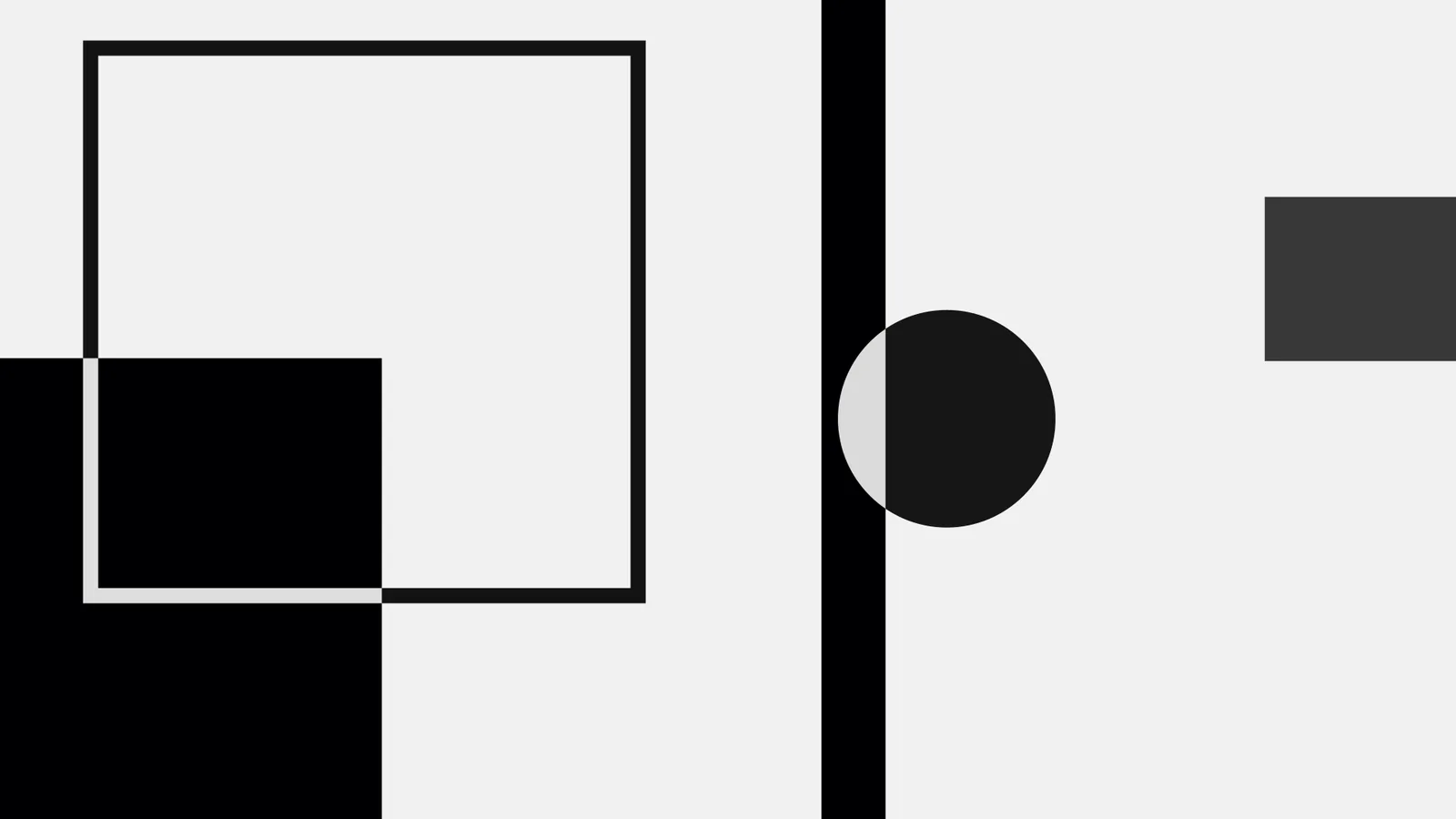

Once I had filtered and selected the strongest compositions, based on their aesthetics and potential, I used them as a guide to shape the story in After Effects.
In this phase, I composed and linked the visual elements generated in Processing, following the selected compositions. After Effects cannot import Processing sketches directly, so I converted them to a compatible format such as video first.
In the final stage, I exported videos from Processing, which served as visual building blocks for each frame of the final video. I then used various techniques and effects to integrate these videos seamlessly into After Effects, for a cohesive and natural final composition.
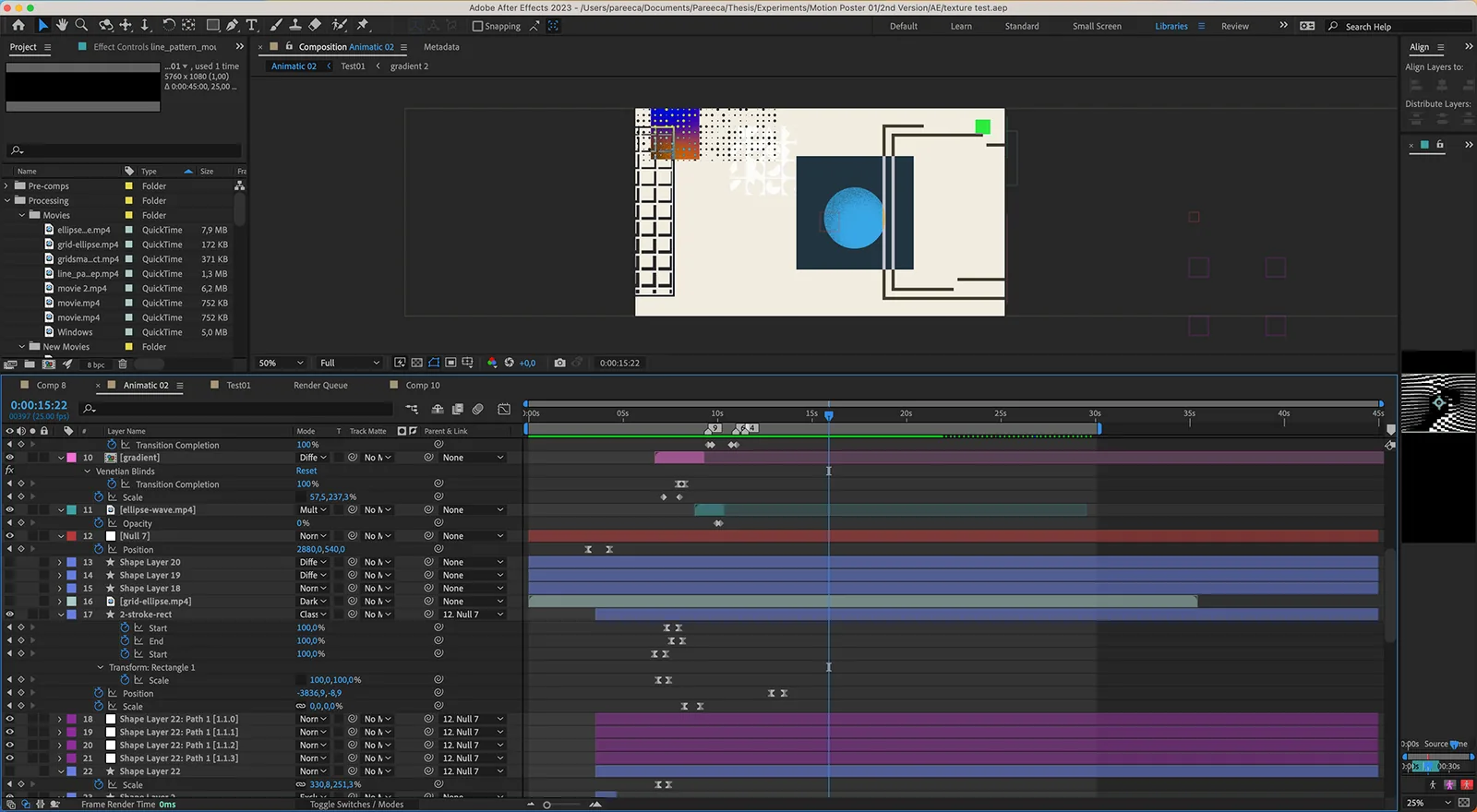
During production, I used both coding and keyframing. One striking aspect of working with these tools was the unique sense of time each provided. In After Effects, the interface is primarily linear, giving the impression that time moves forward in a straight line. Processing, on the other hand, presents time as a loop through the draw() function, which runs the code again every frame.
It’s worth noting that while After Effects organises events on a linear timeline, its internal structure still relies on a loop.
The way movements are created in each program is heavily influenced by its structure. It’s easier to create a linear narrative in After Effects, while looped and repetitive movements are more intuitive in Processing.